

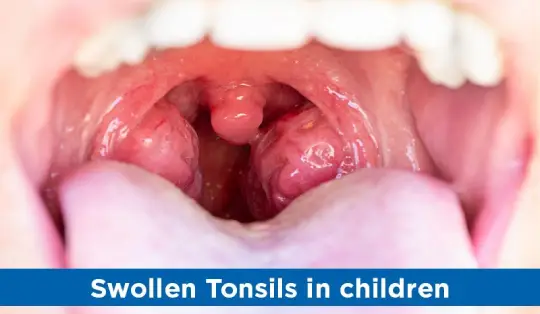
Swollen tonsils in children are more common than you might think, and a cold does not always cause them. From recurring throat infections to allergies or something more serious, tonsil issues can impact your child’s sleep, appetite, and even breathing. If you’ve ever noticed red or enlarged tonsils in your child’s mouth, this blog will give you clarity. We’ll explore the causes of swollen tonsils in children, the symptoms to watch for, and when it’s time to take action.
What Are Tonsils and Why Are They Important?
Tonsils are two oval-shaped masses of tissue located at the back of the throat. They’re part of your child’s immune system and serve as the first line of defense against germs entering through the mouth or nose.
But like any immune tissue, they can become infected and inflamed, especially in young children whose immune systems are still developing.
What Causes Swollen Tonsils in Children?
Swollen tonsils can be triggered by a variety of factors. Understanding the cause is key to choosing the right treatment.
Viral Infections
Most commonly, swollen tonsils are the result of viral infections like:
- Common cold (rhinovirus)
- Influenza
- Adenovirus
- Epstein-Barr virus (causes mono)
These cases often clear on their own, but may still cause several days of discomfort.
Bacterial Infections
The most well-known bacterial cause is Streptococcus pyogenes, or strep throat. It typically requires antibiotics.
Allergies and Irritants
Pollution, allergens like dust or pollen, and even passive smoke exposure can lead to chronic tonsil irritation.
Tonsillar Abscess (Peritonsillar Abscess)
This is a rare but serious complication where pus forms near the tonsils, often requiring drainage and antibiotics.
Sleep Apnea or Enlarged Tonsils
Sometimes, the tonsils grow excessively and block airways, leading to sleep apnea—a condition that may require surgery.
Symptoms of Swollen Tonsils in Children
The signs of swollen tonsils go beyond a sore throat. Here’s what to look out for:
- Red, enlarged tonsils (may have white or yellow patches)
- Difficulty swallowing
- Fever and chills
- Bad breath
- Hoarseness or a muffled voice
- Swollen lymph nodes in the neck
- Ear pain (referred from the throat)
- Fatigue and irritability
- Snoring or breathing difficulty during sleep
When to See a Doctor: Red Flags for Parents
It’s easy to dismiss a sore throat as “just a cold,” but certain signs call for professional attention.
Call your pediatrician if:
- Fever lasts more than 3 days
- Swelling is severe or one-sided
- Difficulty breathing or swallowing
- Your child is drooling (a sign they can’t swallow)
- Tonsils are frequently swollen (more than 5 times a year)
- Persistent bad breath despite brushing
Home Remedies for Mild Cases
If your pediatrician confirms it’s a mild viral case, try these home remedies for relief:
- Warm saltwater gargles (for children above 6)
- Tulsi or ginger tea
- Honey with turmeric milk (avoid honey under age 1)
- Soft, cool foods like curd, mashed fruits, or ice cream
- Steam inhalation for nasal congestion
- Adequate hydration and rest
Treatment Options for Persistent or Severe Tonsil Swelling
1. Antibiotics
If the infection is bacterial, your doctor may prescribe antibiotics like:
- Amoxicillin
- Azithromycin (for penicillin allergies)
Always complete the prescribed course, even if symptoms improve.
2. Pain Management
- Paracetamol or ibuprofen to reduce fever and discomfort
- Throat lozenges for children over age 6
3. Tonsillectomy
This surgical removal of tonsils may be recommended if:
- Infections recur frequently (5–7 times a year)
- Tonsils cause sleep apnea
- Abscesses develop more than once
Potential Complications of Untreated Swollen Tonsils
Ignoring chronic or severe cases may lead to:
- Middle ear infections
- Peritonsillar abscess
- Breathing issues during sleep
- Spread of infection to other parts of the body
Prevention: How to Protect Your Child from Tonsil Troubles
- Teach kids to wash their hands frequently
- Avoid sharing cups, utensils, or food
- Limit exposure to sick individuals
- Maintain good oral hygiene
- Use an air purifier during high-pollution days
- Strengthen immunity with a balanced diet rich in vitamins