
SNoring
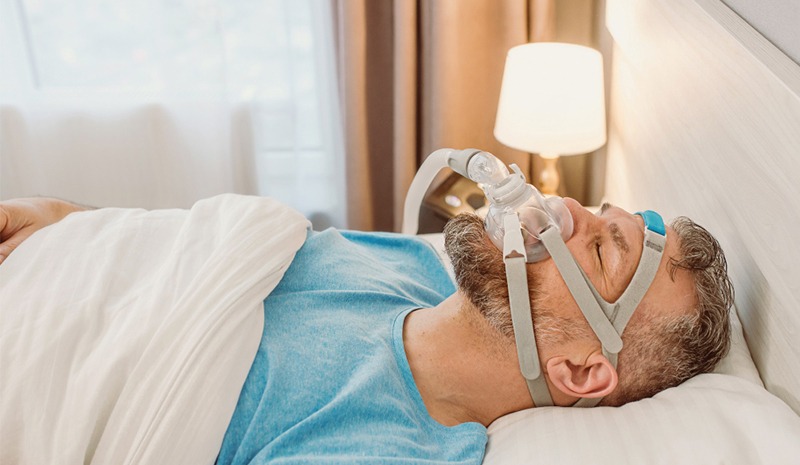
The act of snoring occurs when airflow through the throat becomes turbulent while someone sleeps, typically due to the narrowing of the airway. If this narrowing continues for extended periods, airway obstruction can occur, resulting in pauses in breathing while a person sleeps (apnea), which interrupts their ability to get a good night’s sleep and ultimately affects their health.
By utilizing state-of-the-art diagnostic equipment and methods, our experienced staff at Aashwi ENT Hospital will perform a thorough and complete assessment of patients with snoring and other types of sleep disorders, in order to provide an accurate diagnosis of the cause of the airway obstruction. Based on the severity and location of the obstruction(s), our expert staff will work with patients to develop a personalised treatment plan aimed at providing long-term relief and improved quality of sleep for the patient.
Snoring Treatment Ahmedabad at Aashwi ENT Hospital
At Aashwi ENT Hospital in Ahmedabad, we are experts in treating and performing surgery for snoring so you can get a better night’s rest and enjoy an improved state of health. Our approach to diagnosing and treating both snoring and OSA involves a combination of the most advanced techniques, the best modern technology, and best-practice evidence-based treatment protocols. Whether you have a mild case of snoring or have significant issues related to sleep disturbance, our main priority is to fully investigate and understand the root causes behind your symptoms, as well as to provide you with the most comprehensive and effective long-term treatments possible.
If you have chronic throat issues, a tonsillectomy is the best method to achieve long-term relief.
ENT Doctors for Snoring Treatment in Ahmedabad
Our experienced Ear, Nose, and Throat (ENT) specialists have extensive expertise in treating and managing snoring and other disorders affecting sleep and breathing:
Dr Mihir Mehta
Dr Mihir Mehta, a distinguished ENT Surgeon in Ahmedabad, has many years of experience diagnosing and treating snoring, sleep apnea, and various other conditions of the ENT System. His patient-centric philosophy ensures that you receive personalized attention with a treatment plan most appropriate for your individual needs.
Dr Manish Goyal
Dr Manish Goyal is a highly respected and qualified ENT Specialist who has extensive clinical and academic experience in managing sleep disorders and airways, as well as advanced procedures in the ENT field. He is dedicated to developing treatment plans for each of his patients based on their individual needs.
Who Needs Snoring Surgery?
Snoring surgery may be advised if:
- Snoring is loud, chronic, and persistent
- Sleep studies confirm moderate to severe obstructive sleep apnea
- There is a structural abnormality in the nose, throat, or jaw
- Non-surgical treatments have failed to improve symptoms
- Snoring affects daytime alertness, heart health, or quality of life
Types of Snoring & Sleep Apnea Surgeries Offered
1. Septoplasty
A surgery designed to correct a shifted septum so more air flows in through the nose and decreases any blockage of airflow, such as the obstruction of airflow due to snoring while sleeping.
2. Turbinoplasty
Large nasal turbinates can obstruct airflow when breathing through the nose and, therefore, limit ease of breathing during sleep. Through turbinoplasty, turbinates can be reduced.
3. Tonsillectomy and Adenoidectomy
Surgeries are performed on patients who present with enlarged tonsils and/or adenoids, which are two of the highest instances of obstructing airways (body parts) in children and adults.
4. Uvulopalatopharyngoplasty
A surgical technique to eliminate excess soft tissue from the uvula, soft palate, and soft tissue in the back of the throat. This increases the airway and reduces instances of snoring and sleep apnea.
5. Snoring Surgery with lasers or radiofrequency
A minimally invasive technique that reduces vibration of snoring by utilizing the heat from the laser or radiofrequency energy to decrease and/or stiffen soft palate tissues. After the procedure, downtime is minimal.
6. Tongue Base Reduction Surgery
Performed on individuals with airway obstruction (OSA) when the tongue falls backwards against the back of the throat while sleeping.
Benefits of Snoring Surgery
- Reduce or eliminate Snoring
- Increase O2 in Sleep
- Higher/Improved Sleep Quality for both Partner and Patient
- Lower incidences of High Blood Pressure, Cardiac Disease and Stroke
- Increased Energy, Concentration and Wellness during the Daytime.
Pre-Surgical Evaluation & Safety
Before surgery, patients will have:
- ENT examination in detail
- Nasal endoscopy
- Polysomnography (sleep study)
- Imaging studies, if needed
Surgeons will utilize evidence-based protocols to provide the safest care to the patient, accurately identify the cause of blockage or obstructive sleep apnea, and facilitate maximum recovery.
Recovery After Snoring Surgery
- Same-day discharge is common for patients undergoing most minimally invasive surgical techniques.
- Transient mild symptoms such as soreness of the throat or congestion may be experienced.
- Normal activity levels can typically be returned to after just a few days to 1 week.
- Ongoing monitoring through regular follow-up appointments ensures the best chance of complete healing, as well as continued maintenance of desired results.
FAQs
Snoring occurs when the airway becomes partially blocked during sleep, usually as a result of the muscles in the throat relaxing, nasal passages being blocked, large tonsil size, or a structural issue in the airway itself.
Snoring occasionally is very common, but if someone has loud snoring that happens frequently, he or she may have obstructive sleep apnea (OSA) and should seek medical care.
Signs and symptoms of OSA include: Loud Snoring, Breathing that stops for a period of time during sleep (apneas), Sleepiness during the daytime, Headaches in the morning upon waking, and difficulty concentrating.
Physicians usually diagnose obstructive sleep apnea by conducting a clinical exam and a comprehensive assessment of the airway, along with performing a sleep study (called a polysomnogram) to monitor breathing and oxygenation while sleeping.
Factors that increase your risk of developing obstructive sleep apnea include obesity, nasal obstruction, larger-sized tonsils, jaw structure abnormalities, smoking, and family history of OSA.
Yes, if an individual has not received treatment for obstructive sleep apnea, he or she may have an increased risk of developing high blood pressure, heart disease, stroke, diabetes, and accidents that occur during the daytime.
A comprehensive snoring treatment plan should identify the cause, and treatment may include lifestyle changes and/or medical & surgical options offered at an ENT Specialist’s Office.