

Otosclerosis Symptoms, Causes, Treatment
Symptoms of Otosclerosis
Otosclerosis usually has very subtle initial symptoms, which will be experienced over time and include:
- Gradual hearing loss, beginning with low-frequency sounds
- Difficulty understanding very soft conversations or whispers
- Tinnitus (ringing, hissing, buzzing sounds)
- A feeling of ‘fullness’ or pressure in the ear
- Dizziness or balance issues because of their condition.
Most people with otosclerosis experience deteriorating health over time. Because of this gradual progression, many may not recognise any difference in their level of hearing until long after they are diagnosed.
Causes and Risk Factors
While the definitive cause of otosclerosis is unknown, there are several contributing risk factors to the condition:
- Genetic inheritance is known to have a high correlation between family members with otosclerosis.
- Hormone fluctuations encountered during pregnancy typically exacerbate the symptoms of these individuals.
- The majority of individuals diagnosed are between the ages of 20 and 45.
- Otosclerosis is more prevalent in females than in males.
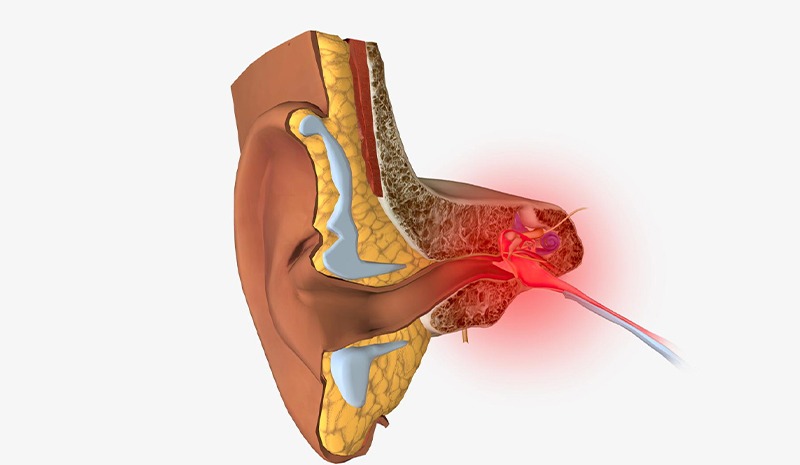
Otosclerosis results from the normal process of remodeling the bones that are located in the middle ear, which becomes abnormal, leading to abnormal stiffening (fusing) of the third bone in the chain (stapes).
If you have chronic throat issues, a tonsillectomy is the best method to achieve long-term relief.
How Is Otosclerosis Diagnosed?
Ear, Nose, and Throat (ENT) specialists usually conduct diagnostic examinations as follows:
- Detailed tests of hearing ability will be conducted to assess the degree of hearing impairment
- Testing of how well the middle ear is functioning
- Imaging tests (e.g., x-ray, CT, MRI) may be performed to evaluate structural abnormalities of the ear whenever appropriate.
A diagnosis of hearing impairment as early as possible enables the development of an effective treatment plan and can minimize the deterioration of hearing ability.
Treatment Options for Otosclerosis
Hearing loss may require different approaches depending on how severe the loss is and what an individual needs.
1. Hearing Aids
Most people start with hearing aids as their primary form of treatment. Hearing aids help by amplifying sound (making it louder) for patients with low-transmission hearing loss due to otosclerosis.
2. Surgery
Surgery, referred to as stapedectomy/stapedotomy, replaces or bypasses the stapes that are damaged with a small prosthetic. For those who qualify for this surgical procedure, it has been found that it can help greatly improve hearing ability.
3. Implantable Hearing Aids
In the rare instances when otosclerosis has damaged the inner ear beyond repair, cochlear implants are the next step forward in advanced hearing solutions.
Your audiologist/specialist will evaluate which type is indicated based on your specific hearing needs, lifestyle, and overall health status.
Living With Otosclerosis
Otosclerosis is a chronic condition; however, most people who are diagnosed with it can maintain their ability to function normally after receiving appropriate medical intervention. Timely regular tests of hearing, intervention as early as possible, and individualised, therefore, tailored treatments all play an important part in enhancing an individual’s ability to communicate effectively and improving the confidence and quality of life for that person.
Prevention and Early Detection
- Because Otosclerosis has an inheritance component, this causes the inability to fully prevent this condition.
- It is also recommended for individuals who have a familial predisposition toward hearing loss to undergo regular annual audiometric evaluations.
- By identifying this condition early, the progression of the disease may be delayed.
- With immediate intervention, it has been shown to enhance functional outcomes associated with maintaining hearing.
When to Consult an ENT Specialist
- The gradual or unexplained loss of hearing will develop into the following:
- Persistent Tinnitus (Ringing or Buzzing in Your Ear)
- Fullness in the Ear with no Pain or Infection
- Unable to Hear Low-Frequency Sounds or Soft Speech
- Early evaluation by an Ear, Nose, and Throat doctor will help you to receive the most accurate diagnosis and timely treatment.
Prognosis and Long-Term Outlook
- Most patients respond positively to early intervention
- Hearing aids and surgical intervention make a considerable difference in one’s hearing ability
- For more serious circumstances, Advanced solutions to hearing loss are available
- Continued medical follow-up will assist in maintaining both hearing ability and ear health
- Communication skills and the quality of life can be greatly improved.
FAQs
Otosclerosis is not life-threatening, but hearing loss can gradually worsen if left untreated.
Complete deafness is rare. Most people develop partial hearing loss that can be treated.
It usually starts in one ear and may later affect the other ear.
It is uncommon in children and usually begins in early adulthood.