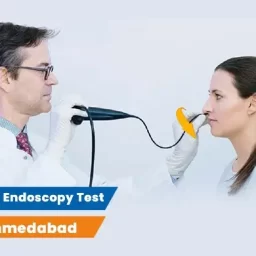


If you’ve been told that you need to undergo an Endoscopy Procedure in Ahmedabad, you may be curious about what it entails, how it works, and whether it’s safe. Endoscopy is a cutting-edge, minimally invasive method that lets doctors peek inside your body using a flexible tube equipped with a camera. Whether it’s for diagnosing sinus issues through ENT endoscopy or spotting problems in the digestive tract with GI endoscopy, this procedure is crucial for the timely and accurate identification of various medical conditions. In this article, we’ll break down the different types of endoscopy, explain how the procedure is performed, and guide you on where to find the top specialists for endoscopy in Ahmedabad.
What is an endoscopy, and why is it done?
Endoscopy is a medical procedure where doctors use a thin, flexible tube that has a light and a camera attached to it to take a look inside the body. The main goal of endoscopy is twofold: it aids in diagnosing various conditions (known as diagnostic endoscopy) and can also be used for treatments, like removing small growths, taking biopsies, or managing bleeding.
What sets endoscopy apart from traditional surgery is that it’s minimally invasive. This means doctors can get a clear view of areas like the digestive tract, nasal cavity, throat, or even joints without having to make large cuts. As a result, it’s generally safer, quicker, and more comfortable for patients.
![Endoscopy Procedure in Ahmedabad]()
 What are the main types of endoscopy?
Endoscopy encompasses a variety of medical examinations. Here are some of the most frequently performed types:
- GI Endoscopy (Gastrointestinal Endoscopy): This procedure allows doctors to take a closer look at the esophagus, stomach, and intestines, including techniques like gastroscopy and colonoscopy.
- ENT Endoscopy: Through nasal endoscopy or laryngoscopy, physicians can examine the nose, throat, and voice box. This type of endoscopy is useful for diagnosing conditions such as chronic sinusitis, nasal polyps, or breathing difficulties.
- Bronchoscopy: This procedure is used to inspect the airways and lungs.
- Cystoscopy: This examination focuses on the urinary bladder.
- Arthroscopy: This technique allows doctors to look inside joints.
Among these options, GI endoscopy and ENT endoscopy are the most commonly performed procedures in hospitals.
How is an endoscopy procedure performed?
The process of an endoscopy can vary based on the type being performed, but here’s a general overview of what to expect:
- Preparation: Patients are typically asked to refrain from eating for a few hours beforehand. If it’s a nasal endoscopy, a numbing spray might be used. For gastrointestinal endoscopy, fasting helps ensure that the doctor gets a clear view of the digestive system.
- Anesthesia or Sedation: Depending on the specific procedure, doctors may opt for local anesthesia or light sedation to keep patients feeling comfortable throughout the process.
- Insertion of the Scope: A flexible tube equipped with a camera, known as an endoscope, is carefully inserted into the necessary area, whether that’s the nose, throat, stomach, or elsewhere.
- Examination and Diagnosis: While the procedure is happening, doctors watch a live video feed to identify any abnormalities. If needed, they can perform biopsies or minor treatments right then and there.
- Recovery: Most of these procedures are done on an outpatient basis, meaning patients can usually head home the same day.
Is an endoscopy painful or uncomfortable?
Most patients say that endoscopy feels a bit uncomfortable, but not really painful. For instance:
- During nasal endoscopy, a numbing spray is used, so patients mainly just feel a little pressure.
- In the case of GI endoscopy, sedation helps keep patients relaxed, and they often don’t even remember the procedure afterward.
After the procedure, some people might notice a sore throat, mild bloating, or nasal irritation, but don’t worry—these effects usually go away within a few hours.
What conditions can be diagnosed with endoscopy?
Endoscopy stands out as one of the most dependable diagnostic tools we have. It’s capable of identifying:
- ENT-related issues: such as sinus blockages, nasal polyps, tumors, throat infections, and problems with the voice box.
- GI conditions: including ulcers, gastritis, celiac disease, colon polyps, and various cancers.
Other concerns, like lung diseases, bladder issues, or joint problems, depend on the specific type of endoscopy performed.
Getting an early diagnosis through diagnostic endoscopy can be crucial for timely treatment, helping to avoid complications down the line.
Are there any risks or side effects of endoscopy?
While endoscopy is typically a very safe procedure, there are a few risks to keep in mind, such as:
- A temporary sore throat or some bloating
- Minor bleeding if a biopsy is performed
- Rare complications, like infections or perforation of tissues
In specialized hospitals, doctors adhere to strict safety protocols, which makes serious complications quite uncommon. Patients are closely monitored during and after the procedure to ensure their well-being.
Where can I find the best endoscopy doctors in Ahmedabad?
If you’re on the hunt for top-notch care, Aashwi ENT Hospital in Ahmedabad is your go-to spot for cutting-edge endoscopy procedures. With state-of-the-art technology at their disposal, the hospital specializes in both ENT and GI endoscopy.
You’ll be in good hands with experienced specialists like Dr. Mihir Mehta and Dr. Manish Goyal, who are dedicated to providing accurate diagnoses and patient-focused treatment. Their expertise guarantees that anyone needing an endoscopy in Ahmedabad will receive safe, comfortable, and precise results.