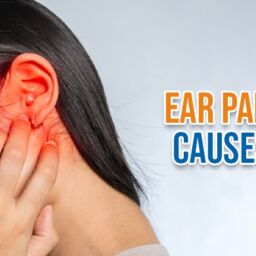


Adult ear infections fall into two distinct categories — outer ear infections affecting the ear canal, and middle ear infections affecting the space behind the eardrum — and the treatment for each is completely different. Getting the right diagnosis before starting treatment is what separates a resolved infection from one that keeps returning or causes lasting hearing damage. At Aashwi ENT Hospital in Bodakdev, Ahmedabad, Dr Mihir Mehta and Dr Manish Goyal assess and treat adult ear infections with a structured clinical approach — identifying the type, the cause, and the appropriate treatment before any prescription is written.
This guide covers both types of adult ear infection, how to recognise which one you have, and what the treatment options actually involve.
Adult Ear Infection Treatment: Types, Causes, Symptoms, and What ENT Specialists Do
Outer Ear Infection — When the Ear Canal Is the Problem
The outer ear infection — medically termed otitis externa — affects the skin lining the ear canal between the outer ear and the eardrum. In adults, it is most commonly caused by bacterial overgrowth in a moist ear canal environment, though fungal infection accounts for a meaningful proportion of cases — particularly in Ahmedabad during and after the monsoon season.
The pain is the first and most distinctive symptom. Unlike middle ear infection pain, which builds gradually with pressure, outer ear pain is sharp and immediate — and it is specifically triggered by touching the ear. Pulling the earlobe, pressing the small cartilage bump at the front of the ear canal (the tragus), or simply lying on that side produces a sharp, localised pain that is not present in middle ear infections. This distinction is clinically useful: if touching the outer ear makes the pain significantly worse, the infection is almost certainly in the canal rather than behind the eardrum.
Other symptoms of outer ear infection include:
- Itching inside the ear canal — often the first symptom, preceding pain by a day or two
- Swelling and redness of the canal visible from outside
- Discharge — either thin and watery or thicker, sometimes with a musty smell in fungal infections
- A blocked or muffled sensation as swelling narrows the canal
- Mild hearing reduction from canal swelling or debris accumulation
The most common triggers in adults are water retained in the ear canal after swimming or bathing, excessive cleaning with cotton buds that damages the canal’s protective skin layer, hearing aid use that keeps the canal moist and warm, and skin conditions like eczema or psoriasis affecting the canal lining.
Middle Ear Infection — When the Problem Is Behind the Eardrum
Middle ear infection — otitis media — in adults is less common than in children but more serious when it occurs, because adult anatomy makes drainage from the middle ear space more difficult once inflammation is established.
The middle ear is an air-filled cavity connected to the back of the throat via the Eustachian tube. When the Eustachian tube becomes blocked — from a cold, allergic rhinitis, nasal polyps, or sinusitis — the middle ear cannot ventilate or drain properly. Pressure builds, fluid accumulates, and if bacteria or viruses from the throat travel up the blocked tube, infection follows.
The pain of middle ear infection is deep, throbbing, and builds gradually over hours — often peaking at night when lying down increases pressure. It does not worsen when the outer ear is touched. Associated symptoms include:
- A sensation of fullness or pressure deep in the ear
- Muffled or reduced hearing on the affected side
- Tinnitus — ringing or buzzing — in the affected ear
- Fever in acute bacterial infections
- Discharge only if the eardrum has perforated — which relieves the pain abruptly but signals a complication requiring immediate evaluation
- Dizziness or balance disturbance if the infection affects the inner ear
Adults who get recurring middle ear infections almost always have an underlying cause driving them — unmanaged allergic rhinitis, chronic sinusitis, nasal polyps, or Eustachian tube dysfunction. Treating each episode with antibiotics without addressing the underlying condition guarantees the infections continue.
![Adult Ear Infection Treatment]()
 Fungal Ear Infection — The Third Type Most Adults Do Not Know About
Fungal ear infection — otomycosis — deserves separate attention because it is frequently misdiagnosed as bacterial otitis externa and treated with antibacterial ear drops that do nothing to the fungal infection and sometimes make it worse.
Fungal infections of the ear canal are particularly common in:
- Ahmedabad residents during and after the monsoon, when humidity creates ideal fungal growth conditions
- Patients who have recently completed a course of antibiotic ear drops — antibiotics eliminate the bacterial flora that normally competes with fungi in the canal
- Hearing aid users whose canals stay warm and moist
- Patients with diabetes, whose altered immune response and elevated glucose in secretions favour fungal growth
- Swimmers who retain water in the canal regularly
The symptoms overlap with bacterial otitis externa — itching, discharge, blocked sensation — but fungal infections tend to produce more intense itching than pain, and the discharge is often described as having a musty or bread-like odour. On examination, the canal shows characteristic white or black fungal debris rather than the purulent discharge of bacterial infection.
Treatment requires antifungal ear drops — clotrimazole- or fluconazole-based — and thorough microsuction to clear fungal debris before drops are applied. Applying antifungal drops to a debris-filled canal is ineffective. At Aashwi ENT Hospital, Dr Mihir Mehta performs microsuction under direct visualisation to clear the canal before treatment begins — a step that dramatically improves treatment success rates.
When Ear Pain Is Not an Ear Infection
Not all ear pain comes from the ear itself, and misidentifying the source leads to prolonged, ineffective treatment. Several conditions produce ear pain through referred nerve pathways:
- Temporomandibular joint (TMJ) disorders — the jaw joint shares nerve supply with the ear. Jaw clenching, dental problems, or TMJ misalignment produces ear pain that is unrelated to any ear pathology. It is typically worse with chewing and jaw movement.
- Throat infections and tonsillitis — the glossopharyngeal nerve connects the throat and ear. Severe tonsillitis or a peritonsillar abscess commonly produces significant referred ear pain alongside throat symptoms.
- Dental infections — a lower molar abscess can refer pain directly to the ear via the trigeminal nerve. The ear examination is entirely normal.
- Cervical spine problems — nerve compression in the upper cervical vertebrae produces ear and jaw pain that worsens with neck movement.
- Laryngeal pathology — lesions or inflammation in the larynx and hypopharynx can cause referred otalgia, particularly in adults over 50 who smoke. Any persistent ear pain in this group without a clear ear cause warrants laryngoscopy to rule out malignancy.
This is why ear pain without an obvious external cause — no canal infection, no eardrum abnormality, no middle ear fluid — requires a thorough ENT examination of the throat, larynx, jaw, and neck, not just a prescription for ear drops.
What Adult Ear Infection Treatment Involves
Treatment follows the type and cause precisely. There is no single approach that covers all adult ear infections.
For outer ear infection (otitis externa):
- Microsuction to clear debris and discharge from the canal — the single most important step before any drops are applied
- Antibiotic ear drops for bacterial infection — typically a fluoroquinolone-based drop applied twice daily for seven days
- Antifungal ear drops for fungal infection — with repeat microsuction at one week to remove debris and assess response
- Steroid-antibiotic combination drops when significant canal swelling is present
- A canal wick — a small absorbent wick placed in a swollen canal to allow drops to reach the inner part of the canal when swelling has narrowed access
- Keeping the ear dry throughout treatment — no swimming, careful bathing with cotton wool protection
For middle ear infection (otitis media):
- Pain management with paracetamol or ibuprofen during the acute phase
- Watchful waiting for 48 to 72 hours in mild cases — many resolve without antibiotics
- Antibiotics — amoxicillin or co-amoxiclav — when fever is present, symptoms are severe, or there is no improvement after 72 hours
- Nasal decongestant or steroid spray to reduce Eustachian tube oedema and restore drainage
- Treatment of the underlying cause — allergic rhinitis, sinusitis, or nasal polyps — to prevent recurrence
- Myringotomy (eardrum incision) and grommet insertion when fluid persists in the middle ear for more than three months without clearing — performed under anaesthesia at Aashwi ENT Hospital when indicated
For recurrent infections of either type:
- Full ENT evaluation to identify the structural or inflammatory driver
- Allergy assessment if allergic rhinitis is suspected as the Eustachian tube trigger
- Imaging where chronic middle ear disease, cholesteatoma, or structural abnormality is suspected
Recognising a Complication That Needs Immediate Attention
Most adult ear infections resolve with appropriate treatment within one to two weeks. These signs indicate a complication requiring same-day or emergency evaluation:
- Sudden relief of severe ear pain combined with discharge — this pattern suggests eardrum perforation. The pain relief is real, but the perforation needs assessment and management.
- Swelling, redness, and tenderness behind the ear — mastoiditis, infection spreading to the bone behind the ear, requires urgent treatment.
- Facial weakness on the same side as the ear infection — facial nerve involvement from a spreading infection is a medical emergency.
- Severe headache with ear infection — possible intracranial complication requiring immediate imaging.
- Hearing loss that persists beyond resolution of pain and discharge
At Aashwi ENT Hospital, Dr Mihir Mehta — with 25+ years of ENT experience — and Dr Manish Goyal are available to assess these presentations without delay. Contact the hospital at 9979891672 for urgent appointments.
Frequently Asked Questions
How do I know if my ear infection is outer or middle?
The key difference is the location of pain and response to touch. An outer ear infection produces sharp pain when the ear is touched — pulling the earlobe or pressing the tragus worsens it significantly. Middle ear infection produces deep, throbbing pain that builds gradually and does not worsen when the outer ear is touched. A blocked feeling with muffled hearing points to either type. Only an ENT examination confirms which is present.
Can adult ear infections go away without antibiotics?
Mild outer ear infections with minimal swelling sometimes resolve with ear hygiene and keeping the ear dry. Mild middle ear infections in adults often resolve within 72 hours without antibiotics. However, infections with fever, significant pain, discharge, or any hearing change need clinical assessment before a watchful waiting approach is chosen. Self-treating with leftover or incorrect antibiotics drives resistance and often converts a simple infection into a complicated one.
Why do I keep getting ear infections as an adult?
Recurring outer ear infections usually point to a habit — cotton bud use, regular swimming without ear protection, or hearing aid use without adequate canal hygiene. Recurring middle ear infections in adults almost always have an underlying driver — allergic rhinitis causing Eustachian tube dysfunction, chronic sinusitis, nasal polyps, or untreated nasal obstruction. Finding and treating that driver is what stops the cycle.
Can an ear infection cause permanent hearing loss?
A single, properly treated ear infection rarely causes permanent hearing loss. Repeated middle ear infections that cause recurring fluid accumulation can damage the eardrum and middle ear bones over time. A perforated eardrum that does not heal spontaneously creates a permanent conductive hearing loss until surgically repaired. Severe bacterial infections that spread to the inner ear can cause sensorineural hearing loss. This is why prompt, complete treatment — and follow-up to confirm resolution — matters beyond symptom relief.
Is it safe to use ear drops without seeing a doctor?
Over-the-counter ear drops are appropriate for softening wax or mild outer ear irritation. Using antibiotic or antifungal ear drops without a diagnosis risks applying the wrong treatment — bacterial drops for a fungal infection, or any drops into a perforated eardrum, which can cause inner ear damage. If there is any discharge, significant pain, hearing change, or dizziness alongside ear symptoms, see an ENT specialist before using any drops.
Where can I get adult ear infection treatment in Ahmedabad?
Aashwi ENT Hospital in Bodakdev, Ahmedabad offers complete adult ear infection evaluation and treatment under Dr Mihir K. Mehta (MS-ENT, 25+ years) and Dr Manish Goyal (20+ years ENT experience). Services include otoscopy, microsuction, tympanometry, and audiometry. The hospital is at 25, Sumangalam Co-operative Housing Society, opp. Sunset Drive Cinema, Bodakdev, Ahmedabad – 380054. Contact: 9979891672.
One Proper Assessment Saves Weeks of Incorrect Treatment
The most common reason adult ear infections drag on is a wrong initial diagnosis — antibacterial drops for a fungal infection, oral antibiotics for a canal problem that needed microsuction, or pain relief for an ear that is not actually the source of the pain at all.
At Aashwi ENT Hospital in Bodakdev, Ahmedabad, Dr Mihir Mehta and Dr Manish Goyal identify the type, the cause, and the correct treatment at the first appointment — not after three rounds of ineffective drops.
Book your ear infection assessment today.
📍 Aashwi ENT Hospital — 25, Sumangalam Co-op Housing Society, opp. Sunset Drive Cinema, Bodakdev, Ahmedabad – 380054 📞 9979891672 | 📧 info@aashwient.com
For more information, click below:
Aashwi ENT Clinic | ENT Specialist in Gandhinagar, Gujarat
Aashwi ENT Clinic Bopal | ENT Doctor, ENT Hospital, ENT Specialist, Ear, Nose, Throat Doctor