
It is a fact that sneezing, a blocked nose, and constant stuffiness irritate the person’s mood and even their sleep. Millions of people have similar problems, but they are the result of allergic rhinitis only.
Allergic Rhinitis Treatment is mainly about the reduction of inflammation to relieve the reaction and improve nasal breathing. In fact, present-day treatment regimens entail the use of drugs, avoidance of the allergens, and consultation with an ENT allergy specialist.
This manual provides information about symptoms and causes, followed by the treatment options backed up by scientific studies, in a very accessible way. Its role is to enable the readers to decide for themselves how to manage their nasal allergies in the long run.
Deviated Septum Treatment and Allergic Rhinitis Treatment Options Explained
By definition, allergic rhinitis is a condition characterized by inflammation in the nasal passages, which occurs after allergen exposure. The doctors also call it hay fever.
It is accompanied by a series of symptoms such as frequent sneezing, itching, nasal blockage, and watery discharge. In fact, signs of the disease may appear in certain seasons or be present continuously throughout the year.
Regular and efficient Allergic Rhinitis Treatment not only improves breathing and sleep but also the daily productivity of the person.
Allergic rhinitis treatment focuses on symptom control and trigger avoidance
The matter of therapy involves lessening the inflammatory process and abolishing contact with allergens. Doctors develop a treatment plan depending on the severity and the time of the symptoms experienced by the patients.
The mildest forms of the disease may be alleviated by the use of drugs and environmental control measures. Those suffering from moderate to severe symptoms have to undergo a combined therapy and get specialist care.
Patients are allowed to take drugs from the following groups:
- antihistamines
- nasal corticosteroids
- decongestants
- allergen injections
- ear, nose, and throat (ENT) expert, guided interventions
- Nasal Allergy Symptoms are the first step in diagnosis
![Allergic Rhinitis Treatment]()
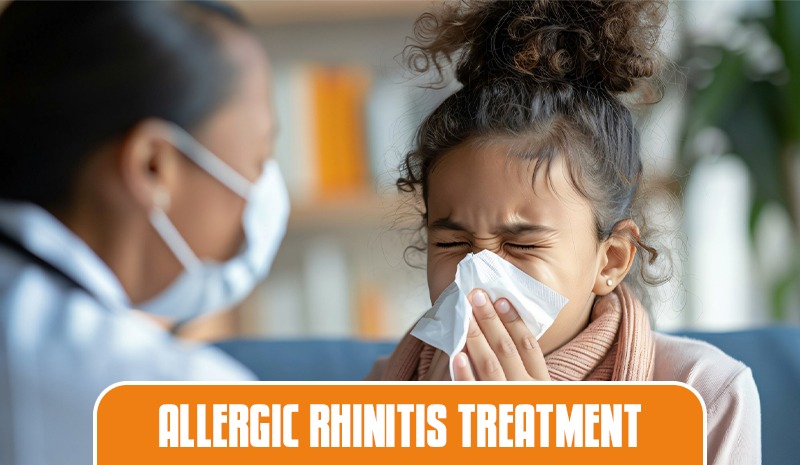 Nasal allergy symptoms help identify allergic rhinitis early
Knowing the symptoms allows the treatment to be started early and the results to be better.
Common nasal allergy symptoms are:
- Constant sneezing
- Nasal congestion
- Runny nose
- Itchy nose or eyes
- Postnasal drip
Symptoms very often become more severe during allergen exposure. If left untreated, symptoms may interfere with sleep and concentration.
Allergy triggers play a major role in hay fever severity
Allergic rhinitis is a condition in which the immune system reacts excessively to allergens.
Some of the most common allergy triggers are:
- Pollen
- Dust mites
- Mold spores
- Pet dander
- Air pollution
Knowing the triggers enables one to lessen the exposure to them. Avoiding triggers is the basis of allergy treatment.
Allergy medications offer effective short- and long-term relief
Medication is still the main first-line treatment:
Common allergy medications are:
- Oral antihistamines for itching and sneezing
- Nasal corticosteroid sprays for inflammation
- Leukotriene modifiers for symptoms that are persistent
- Decongestants for a very short time of nasal blockage
Allergic rhinitis requires ongoing management rather than a permanent cure
There are no permanent cures for allergic rhinitis. Nevertheless, long-term control is possible.
Immunotherapy essentially lessens allergen sensitivity over time. It facilitates gradual exposure to allergens.
How patients have fewer symptoms and less need for medication. The doctor advises it for moderate or severe hay fever.
ENT allergy care improves outcomes in chronic or severe cases
Besides that, ENT specialists find out the nasal structure and inflammation.
The condition of a deviated septum, for instance, can make the nasal blockage more severe. By managing it together, you not only increase the airflow but also the effectiveness of the medication.
The gamut of ENT allergy care covers:
- Nasal endoscopy
- Allergy testing
- Advanced medical therapy
- If necessary, surgical correction
The care of a knowledgeable specialist helps those who have persistent symptoms.
Lifestyle changes significantly reduce nasal allergy symptoms
Some simple habits can support medical treatment and prevent flare-ups.
Helpful lifestyle measures are:
- Regular nasal saline rinses
- Use of air purifiers indoors
- Washing bedding with hot water
- Not going out during the time of day when pollen concentration is at its peak
- Wearing a mask when you are in a dusty place
If you are consistent, you will be much better off in terms of symptom control and comfort.
Key Takeaways on Allergic Rhinitis Treatment
- Early diagnosis is the best prevention for complications
- Trigger control is a treatment enhancer
- Anyway, medication is the main therapy to be continued
- Once immunotherapy is employed, relief lasts for a long time
- ENT allergy takes care of the most complicated cases
Effective management not only allows you to breathe more easily but also enhances your overall quality of life.