


Issues with the ear, nose, and throat can be very uncomfortable, yet people tend to overlook them. Most of the symptoms of the problems that occur in the area may be mild and seem unimportant; however, these cases may be just a sign of a more serious illness. Learning about common ENT problems is a good start to recognizing the symptoms that precede the disease getting severe. Issues such as sinus pressure, ear pain, blocked noses, and constant throat irritation not only can make it difficult to get the rest you need, but they also lower your concentration and affect your general health.
First of all, the guide points out the typical Ear, Nose, and Throat diseases, the signs of these diseases, and the precautions you can take to care of yourself by following them. In cases of frequent discomfort, this information can help you determine when professional help is required.
Common ENT Problems: Signs, Causes & When to Seek Help
Diseases of the ear, nose, and throat are among the most common health concerns that most people encounter. One of the main reasons for neglecting the early symptoms is that they are considered insignificant by a large number of people. However, these few signs normally signal the trouble that is on its way and the conditions that require close and timely attention. By becoming familiar with the most common ENT problems, you can intervene early and avoid potential harm. Studies reveal that early detection minimizes short-term discomfort and slows down the progression of the disease to the chronic stage.
![Common ENT Problems]()
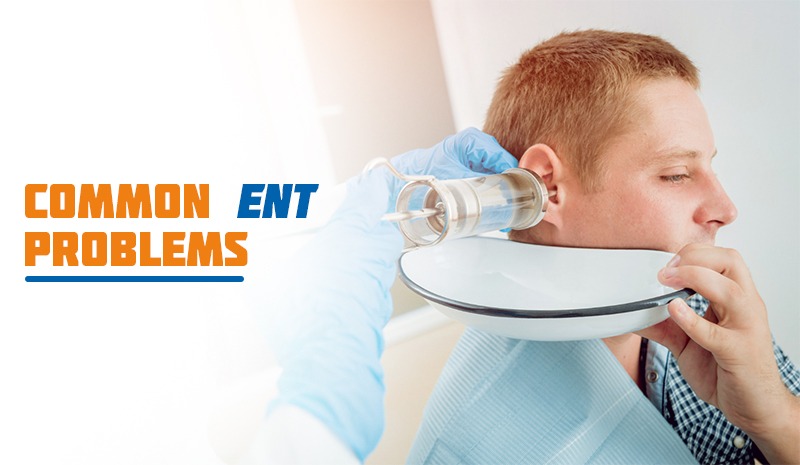 What Are the Most Common ENT Problems and Their Symptoms?
Diseases of the ears, nose, and throat can happen to anyone, irrespective of age. Most of the problems that have been pointed to start with mild irritation but develop when they are disregarded. The most frequent ear, nose, and throat problems are the following:
Ear-Related Issues
- Ear infections: Along with pain and pressure, difficulty in hearing, and discharge from the ear can be observed in an infection [source].
- Wax blockage: The blockage of the ear with wax is usually accompanied by noise in the ear and hearing difficulty; however, a feeling of fullness in the ear is also possible.
- Hearing loss: It can happen either gradually or suddenly.
Nose-Related Issues
- Sinusitis: Besides the pain in the face and nose congestion, there is also postnasal drip and headache.
- Allergic rhinitis: Symptoms are sneezing, itching, and watery eyes.
Throat-Related Issues
- Tonsillitis: Sore throat, fever, and difficulty in swallowing are the major symptoms of tonsillitis.
- Voice problems: Loss of voice due to overuse or infections
These diseases manifest themselves regularly and, if left untreated, they may significantly interfere with a person’s routine.
What Are the 10 Common ENT Problems and Their Symptoms?
1. Ear Infections
One of the most common ENT problems that mainly affects children. It causes ear pain, fever, and temporary hearing difficulty and is a result of a bacterial or viral infection.
2. Sinusitis
It is an inflammatory condition of the sinuses resulting in facial pressure, headache, nasal blockage, and thick mucus. Its nature may be acute or chronic.
3. Tonsillitis
The most common cause of tonsil swelling is infection. The symptoms that appear are sore throat, difficulty swallowing, fever, and bad breath.
4. Hearing Loss
Hearing loss may result from old age, exposure to loud noise, infections, or wax build-up. The situation can be either temporary or permanent, and a proper ENT examination is needed to confirm it.
5. Deviated Nasal Septum
The nasal structure separating the two nostrils is bent, and this results in nasal blockage, snoring, headaches, and recurrent sinus infections.
6. Allergic Rhinitis
Allergic rhinitis is a condition caused by allergens such as dust, pollen, or pollution. Symptoms are characterized by sneezing, itching of the nose, watery eyes, and a runny or blocked nose.
7. Sleep Apnea & Snoring
During sleep, breathing is interrupted because of the closing of the airway. The condition brings daytime fatigue, loud snoring, and increased risk of heart disease over time.
8. Vertigo & Balance Disorders
Ear problems such as BPPV or vestibular neuritis that cause dizziness, spinning sensation, and imbalance are examples of the most common inner ear disorders.
9. Voice & Throat Disorders
Reserved pitch problems caused by the presence of vocal cord nodules, laryngitis, acid reflux, as well as the overuse of voice, which leads to hoarseness, throat pain, and a weak voice.
10. Thyroid Swelling or Nodules
An enlarged thyroid or a nodule in the neck can make swallowing difficult, change the voice, and cause swelling that is visible.
When Should I Visit an ENT Specialist for Ear, Nose, or Throat Issues?
Immediate care is not necessary for every symptom; however, some signs should never be disregarded. Visiting an ENT specialist is a good idea when:
- Symptoms continue beyond one week.
- Difficulty in breathing arises.
- Suddenly, hearing changes.
- If, despite taking care of yourself at home, the pain is getting worse.
- If you are experiencing recurrent infections [source].
Persistent problems very often mean that there are deeper problems which, if diagnosed early, can benefit from treatment.
What Causes Frequent Ear Infections or Hearing Problems?
One of the major causes of ear infections is the blockage of the eustachian tubes, allergies, and after infections. The reason why children develop ear infections more frequently is that their eustachian tubes are not fully developed. Generally, adults experience infections after a cold, if dipped in water, or after a sudden change in pressure.
As to hearing problems, they are caused by exposure to loud noise, getting older, earwax accumulation, or repeated ear infections. Researches point out that if hearing problems are not treated, they become a barrier to communication and adversely affect the quality of life [source]. The sooner the problem is identified, the safer it is from irreversible damage.
Why Do Sinus Problems Keep Coming Back, and How Can They Be Treated?
Recurring sinus problems have connected several million people all over the world. The main causes are:
- An allergy
- Deviated septum
- Nasal Polyps
- Immune system deficiency
- Being exposed to gases and other pollutants for a long time
Chronic sinusitis is a state of inflammation that lasts more than 12 weeks. The treatment involves hydration, steam inhalation, nasal saline rinses, and allergy control. In severe or long-standing cases, a thorough examination may be required to locate the underlying structural problems.
What Are the Warning Signs of Serious Throat Conditions?
Discomfort in the throat normally disappears without any help, but there are some symptoms that indicate more serious problems. The following symptoms should be closely observed:
- Hoarseness that lasts more than two weeks
- Difficulty in swallowing
- Persistent pain in the throat
- White patches on the tonsils
- Throat symptoms accompanied by sudden weight loss
The above-mentioned symptoms necessitate immediate checking out. Chronic tonsillitis, vocal cord problems, or infections may be the underlying causes. Infrequently, long-duration symptoms turning into serious throat diseases may be the indication.
How Can I Prevent Recurring ENT Diseases Naturally?
The way we live can have a major impact on the reduction of ENT-related complaints. Some of the good habits are:
- Drinking enough water all day long
- Not smoking and avoiding smoking by others
- Ensuring that indoor air is fresh
- Mouth care with the help of saline rinses
- Minimizing exposure to allergens
- Following a nutritious diet packed with vitamins
- Protecting your ears by not exposing them to loud noises
Usually, a strong immune system is capable of preventing infections from happening in the first place. Besides this, good hygiene can also reduce the rate at which common ENT diseases are spread.
Which Home Remedies Actually Help With Common ENT Symptoms?
Home remedies are a good option for relieving the symptoms when they are mild. Some of the most effective methods are:
- Gargling with warm salt water in case of throat irritation
- Using steam to help open up congested sinuses
- Application of a warm compress to the ear that hurts
- Drinking ginger tea or turmeric milk to lessen swelling
- Humidifiers that facilitate breathing
Such treatments relieve functional discomfort but should not be used as substitutes for the professional care of serious or repetitive symptoms.